
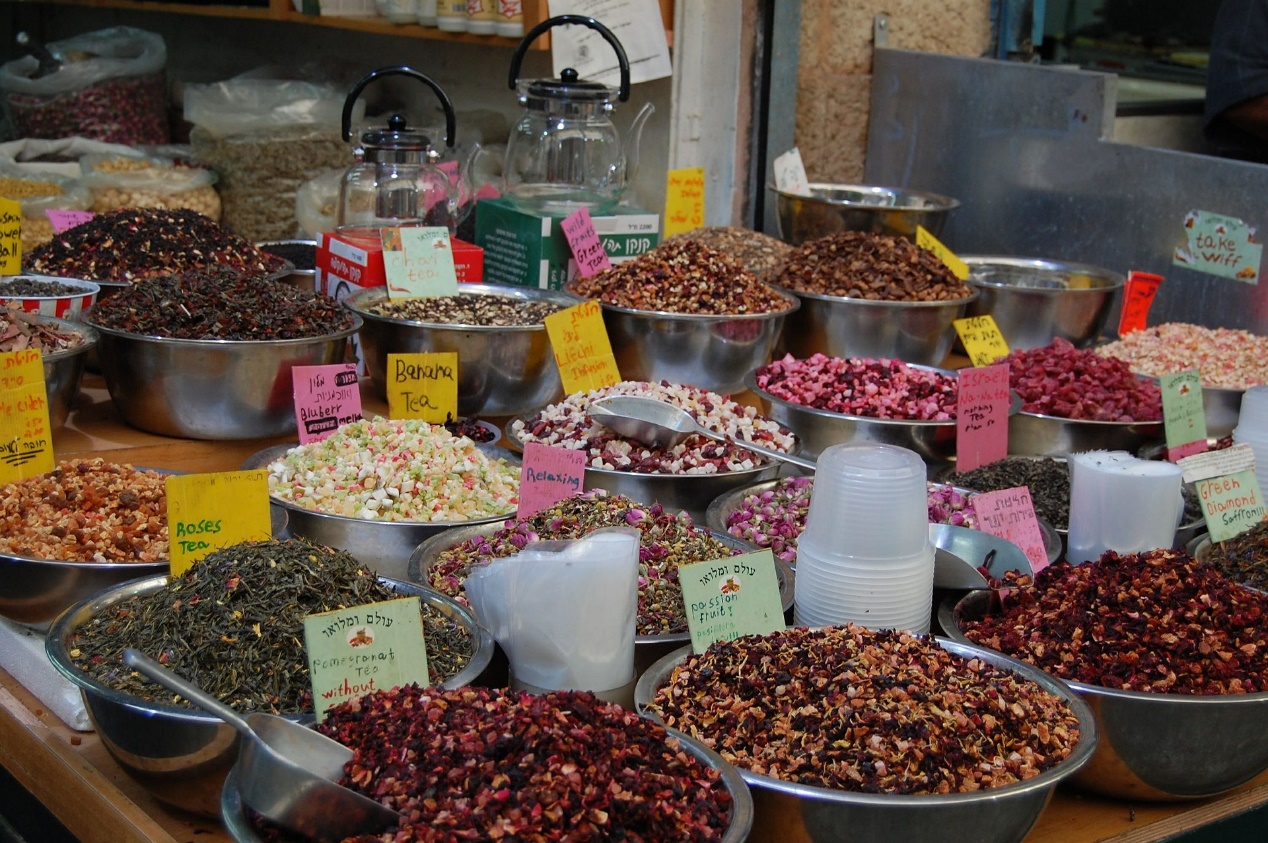
The Open Markets in Israel are among the best places to experience the country through its people, flavors, colors and daily rhythm. In Hebrew, an open market is called a shuk, and visiting one is much more than a simple shopping stop. It is a direct meeting with Israeli culture, local food, family traditions, street sounds, fresh produce, spices, handmade products and the warm energy of everyday life.
For travelers who want to understand Israel beyond historical sites and religious landmarks, the markets offer an immediate and authentic experience. Every market has its own character. Some are loud and crowded, some are artistic and colorful, and others are shaped by the mixed identity of the city around them. Walking through the stalls, tasting local food and speaking with vendors can reveal more about Israeli society than many formal explanations.
The Open Markets in Israel are also excellent places for culinary discovery. Visitors can find fruits, vegetables, olives, cheeses, breads, spices, sweets, fresh juices, pastries, coffee, street food, local wines and traditional dishes from different communities. The food reflects the cultural variety of the country: Jewish, Arab, Mediterranean, Middle Eastern, North African, Balkan, Yemeni, Iraqi and many other influences meet in one space.
A market tour in Israel is suitable for private travelers, families, groups, food lovers and anyone who enjoys exploring cities through their local atmosphere. It is informal, lively and sensory. You can smell spices before you see them, hear vendors calling from one side of the alley to the other, taste fresh halva or warm pita, and watch locals choosing vegetables for dinner. This is the Israel that happens between the famous sites.
The Open Markets in Israel are especially valuable because they show how food connects people. In a country with many communities and identities, the market is one of the places where everyone meets. Locals shop, tourists taste, families eat, chefs search for ingredients, and vendors share stories about recipes, neighborhoods and traditions. The result is a cultural experience that feels alive, approachable and memorable.
Carmel Market in Tel Aviv
Carmel Market in Tel Aviv is one of the most famous and energetic markets in Israel. Located near central streets such as Allenby, King George and Nahalat Binyamin, the market is an essential stop for travelers who want to feel the everyday pace of Tel Aviv. It is busy, colorful, casual and full of movement from morning until late afternoon.
The Open Markets in Israel are never only about products, and Carmel Market is a perfect example. Visitors can find fresh vegetables, fruit, flowers, spices, clothing, kitchen items, souvenirs, handmade jewelry, baked goods and street food. The experience is not polished or quiet, and that is exactly the point. Carmel Market is real, direct and full of Tel Aviv character.
Food is one of the strongest reasons to visit the market. Travelers can taste hummus, falafel, fresh juice, Druze pita, burekas, Arabic sweets, pastries, olives and local snacks. Small food stalls and nearby restaurants create an easy route for tasting different parts of Israeli cuisine in one short walk. For visitors who enjoy photography, the market also offers strong visual variety: piles of colorful produce, old signs, crowded alleys, food counters, flowers and street art nearby.
Carmel Market also connects naturally with the surrounding neighborhoods. Nearby Nahalat Binyamin is known for its creative atmosphere, architecture and local craft stalls on selected days. At the end of the market area, the Yemenite Quarter offers another layer of food and history. This neighborhood is known for traditional Yemenite dishes, small family restaurants and narrow streets that feel different from the modern urban energy of central Tel Aviv.
A guided visit to Carmel Market helps travelers understand what they are seeing and tasting. Without context, it may look like a busy food street. With the right guide, it becomes a story about immigration, local ingredients, Tel Aviv street culture, family kitchens and the way food traditions entered Israeli daily life. This is why The Open Markets in Israel are such a strong addition to a cultural tour.
Carmel Market is also a good fit for travelers who want free time. Some may prefer to taste local dishes, others may shop for souvenirs, and others may simply walk, observe and take photos. The market is flexible, informal and easy to enjoy at different levels.
Mahane Yehuda Market in Jerusalem
Mahane Yehuda Market in Jerusalem is one of the most important food and culture experiences in the city. Jerusalem is a city of history, religion and deep identity, and the market reflects that same complexity in a more everyday form. It brings together old and new Jerusalem, traditional food and modern restaurants, local shopping and nightlife, religious communities and young urban culture.
The Open Markets in Israel each reflect the city around them, and Mahane Yehuda reflects Jerusalem in a powerful way. During the day, the market is full of food stalls, bakeries, spice shops, fish counters, butchers, fruit stands, vegetable vendors, halva shops, juice stalls, cheese stores and small eateries. In the evening, parts of the market change character and become a lively area of bars, restaurants and music.
For travelers, Mahane Yehuda is an excellent place to understand how Jerusalem lives beyond its holy sites. The city is often introduced through the Western Wall, the Church of the Holy Sepulchre, the Mount of Olives and the Old City, but the market reveals another side of Jerusalem: families buying food, vendors preserving recipes, young chefs creating new dishes and visitors tasting the city through its kitchens.
The food options are wide and diverse. Travelers can taste falafel, kebab, fresh bread, baklava, halva, pastries, local cheeses, Israeli wines, fresh juices, coffee, tahini, pickles and international dishes. The variety is part of the experience. Jerusalem has absorbed traditions from many communities, and the market expresses that history through food.
Mahane Yehuda is also a place of stories. Every stall can lead to a conversation about family background, old recipes, neighborhood change, religious holidays or local habits. A food tour here can include tastings, but it can also include explanations about the city’s social and cultural layers. This makes the market an important stop for travelers who want a deeper experience of Jerusalem.
The Open Markets in Israel are not museums. They are living places. Mahane Yehuda proves this clearly because it changes throughout the day and across the week. Before holidays, the market becomes especially intense as families prepare meals and buy traditional foods. On quieter days, visitors can slow down, talk to vendors and notice small details. Both versions are authentic.
For many travelers, Mahane Yehuda becomes one of the most memorable stops in Jerusalem because it is so sensory. The smells of bread, spices and coffee, the sound of vendors, the colors of fruit and sweets, and the mix of locals and travelers create an atmosphere that is difficult to experience anywhere else.
Talpiot Market in Haifa and the cultural value of a market tour
Talpiot Market in Haifa offers a different kind of experience from Carmel Market and Mahane Yehuda. Haifa is known for its mixed population and for the daily life shared by Jewish and Arab communities. This character is visible in the market, where local food, languages, ingredients and traditions meet in a natural and unforced way.
The Open Markets in Israel are one of the best ways to see coexistence in practical daily life. In Haifa, the market is not only a place to buy vegetables or eat lunch. It reflects the city’s social fabric. Visitors can see how different communities influence the food culture, the products sold, the restaurants nearby and the general atmosphere of the neighborhood.
Talpiot Market includes fresh produce, spices, sweets, local food, small restaurants and traditional dishes. It is less internationally famous than Carmel Market or Mahane Yehuda, but that is part of its value. It can feel more local, more grounded and less shaped by tourism. For travelers who want a deeper cultural experience, Talpiot Market can be one of the most rewarding stops.
A visit to Talpiot Market can also be combined with a wider Haifa tour. The city offers views of the Mediterranean, neighborhoods with different identities, religious landmarks, the Baha’i Gardens viewpoint and a unique urban setting on Mount Carmel. The market adds the daily human layer to that experience.
The Open Markets in Israel are excellent for travelers who want to understand culture through simple moments. Watching how people shop, what they eat, how vendors speak to regular customers, what ingredients appear in each city and how food traditions change from place to place can reveal a great deal about Israeli society.
A market tour can also be built around tasting. Instead of only walking through the market, travelers can stop for selected foods and learn where they come from. A good route might include fresh bread, local cheese, olives, seasonal fruit, hummus, tahini, sweets, coffee, spices and a small restaurant meal. Each tasting becomes a small cultural lesson.
The value of The Open Markets in Israel is that they make culture tangible. History can be read, architecture can be observed, but food is experienced directly. You taste it, smell it, hold it and remember it. That is why markets are often among the most enjoyable parts of a trip.
For private tours and small groups, a market experience can be adjusted to the travelers. Some groups may want a food focused tour. Others may prefer photography, local stories, shopping, culinary history or a relaxed walk with tastings. The markets allow all of these options because they are flexible, lively and rich in content.
Whether the visit is in Tel Aviv, Jerusalem or Haifa, the market becomes a meeting point between the traveler and local life. It is where the city becomes personal. This is what makes The Open Markets in Israel such a strong theme for anyone who wants to experience the country in a fresh, direct and memorable way.
FAQ
What are The Open Markets in Israel?
The Open Markets in Israel are local markets, known in Hebrew as shuk, where visitors can find fresh produce, spices, baked goods, sweets, street food, drinks, souvenirs and everyday products. They are also important cultural spaces where travelers can experience local life, food traditions and community atmosphere.
Which markets are recommended for travelers?
Three recommended markets are Carmel Market in Tel Aviv, Mahane Yehuda Market in Jerusalem and Talpiot Market in Haifa. Each one offers a different experience. Tel Aviv is energetic and urban, Jerusalem is historic and culinary, and Haifa reflects the mixed cultural identity of the city.
Is a market tour suitable for first time visitors to Israel?
Yes. A market tour is highly suitable for first time visitors because it gives an immediate sense of Israeli daily life. It is a good balance to historical, religious and archaeological touring because it focuses on food, people, neighborhoods and local culture.
What can visitors taste during a market tour?
Visitors may taste hummus, falafel, fresh juices, halva, baklava, Druze pita, olives, cheeses, spices, pastries, local sweets, coffee, street food and seasonal fruit. The exact tastings depend on the market, the season and the tour route.
Why include a market visit in a private Israel tour?
A market visit adds color, flavor and local contact to the tour. It helps travelers understand Israel through food, culture and daily life, not only through famous landmarks. The Open Markets in Israel are ideal for culinary tours, cultural tours, family trips and private itineraries.