
A resilience tour in Israel today looks nothing like the pre-2023 itineraries built around beaches and nightlife, and international visitors booking one now want a direct, honest picture of what the country actually looks like since October 7, 2023. The short answer: these tours are safe, professionally guided, emotionally structured, and built to show both the damage and the rebuilding happening across the Western Negev and beyond. Yeadim Tours designs these journeys with licensed local guides, real access to affected communities, and a pace that respects both the history and the people still living it. Travelers who want a fully personalized route often move straight to a private tour instead of a fixed group departure, and many combine the visit with practical planning help through our Contact Us page before they even land. If you are weighing whether this trip is right for you, keep reading, then reach out and we will map an itinerary around your dates and comfort level.
What Is a Resilience Tour in Israel and Who Joins One?
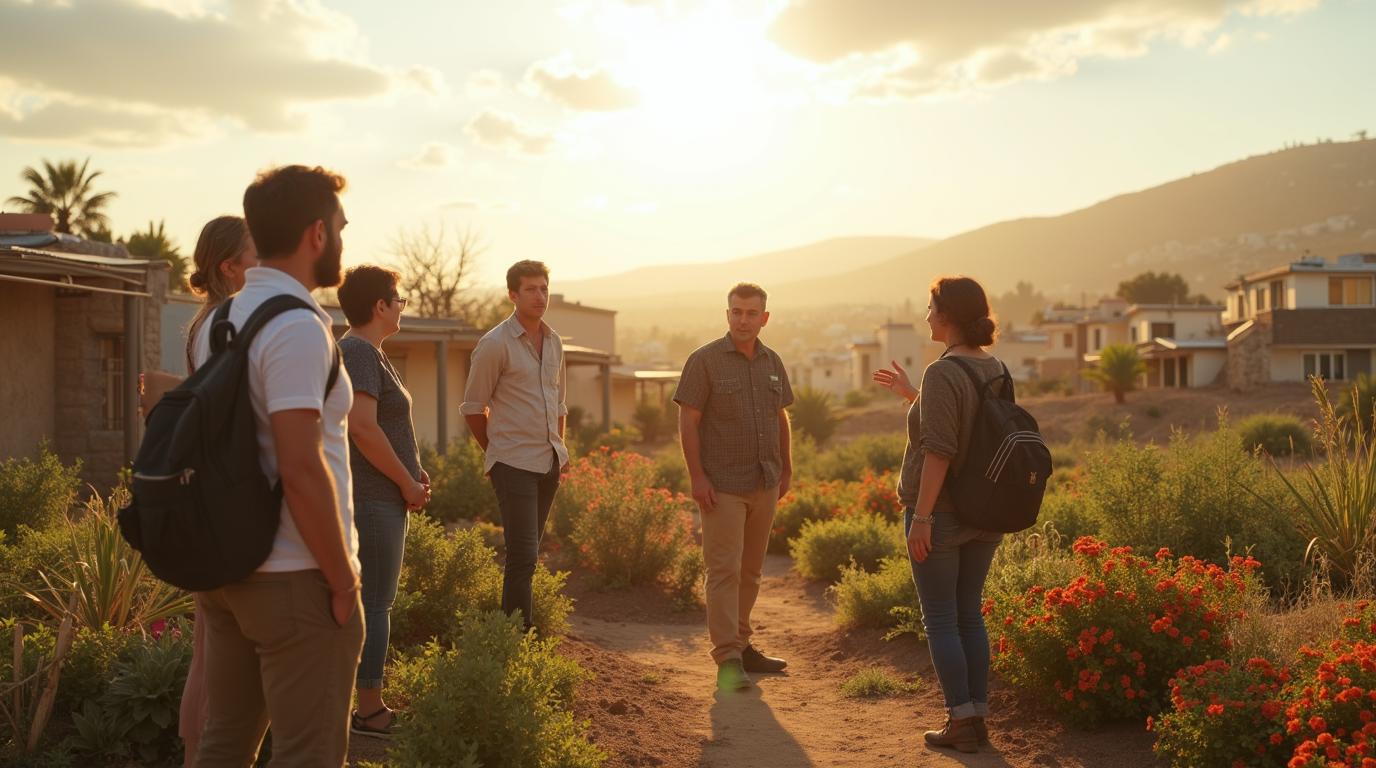
A resilience tour in Israel is a guided itinerary that centers on the communities, sites, and stories connected to the October 7, 2023 attack and the recovery that followed, rather than the standard religious or historical circuit. Participants range from Jewish federation missions and diaspora family groups to journalists, students, church delegations, and independent travelers who simply want to understand the region firsthand instead of relying on headlines. Most routes include the Nova music festival memorial site near Re'im, one or more of the Gaza envelope kibbutzim such as Kfar Aza or Nir Oz, and a stop in Sderot, where the police station and the reinforced bus shelters tell their own part of the story. According to a senior tour guide who has led groups through these communities, visitors consistently say the trip changes them more than any museum could, because they are standing where events actually happened, hearing directly from residents who chose to return and rebuild.
Is It Safe to Travel to Israel Right Now?
Safety is the first question every prospective visitor asks, and it deserves a straight answer: licensed guides plan routes daily based on Home Front Command guidance and current conditions, and reputable operators will adjust or reroute an itinerary rather than push ahead into an unstable area. Inbound tourism did collapse in the months after October 2023, with visitor arrivals dropping significantly compared to the prior year, a shift that reflects how sharply perception outpaced the actual security picture on the ground in most of the country. Central Israel, Jerusalem, Tel Aviv, and the north of the Negev tour route operate under normal daily life, while access to communities directly along the Gaza border is coordinated in advance and sometimes limited to specific days or hours. A trustworthy operator will explain exactly which parts of a route are flexible and why, rather than promising blanket guarantees.
| Format | Typical Duration | Group Size | Best For |
|---|---|---|---|
| Group Day Tour | Full day | 10-40 travelers | Missions, federations, first-time visitors |
| Multi-Day Resilience Journey | 2-4 days | 10-30 travelers | Delegations wanting depth plus Jerusalem or Tel Aviv context |
| Private Custom Tour | Flexible | 1-8 travelers | Families, journalists, tailored pacing and language |
Which Sites Do These Tours Actually Visit?
The core route usually moves through the Nova festival memorial, where thousands of sunflowers now grow around photographs and personal items left by families, then continues to a kibbutz such as Kfar Aza or Be'eri to walk the rebuilt or still-scarred neighborhoods with a resident or former resident as narrator. Sderot's police station, largely destroyed and now partly preserved as a memorial, and the western Negev's network of reinforced bus stops and public shelters round out the physical picture of how daily life adapted. Many groups add a briefing with a reservist or a member of a civilian emergency response team, and some extend the day toward Jerusalem's Old City or the Israel Museum to place the events in a longer national context. Travelers researching the exact stops in advance can browse trip reports and photo essays on our Blog, and past guests often leave detailed notes on our Recommendations page about which stops moved them most.
How Do You Prepare Emotionally and Logistically for the Trip?
Because the content is heavy, a well-run resilience tour builds in pacing: a quiet lunch stop, a debrief conversation with the guide, and clear signals before entering the most difficult sites so nobody is caught off guard. Comfortable closed shoes, layered clothing for the desert heat near the Gaza envelope, and a printed or downloaded copy of the itinerary in case of connectivity gaps are the practical basics guides recommend. Groups traveling with children or older relatives should say so at booking, since some stops can be adjusted or made optional without changing the rest of the day. Visitors looking for a physical way to mark the trip, from memorial books to locally made jewelry supporting affected artisans, can find a curated selection in our Shop, which many groups browse together after the tour as a way to close the day.
FAQ: Resilience Tour Questions Travelers Actually Ask
These four questions come up constantly in planning calls and are not covered above.
Do resilience tours include visits to bomb shelters or the Nova festival site specifically?
Yes, most standard routes include the Nova festival memorial near Re'im and at least one public or private bomb shelter that was used during the attack, though exact access can shift based on current guidance from local authorities.
Can children join a resilience tour to Israel?
Children can join, but most guides recommend a minimum age around 12 to 14 given the emotional weight of the content, and families should flag this at booking so the guide can adjust pacing or skip the most graphic stops.
Are these tours available in languages other than English?
Yeadim Tours runs private and group departures in English, Spanish, and Hebrew, with guides matched to the group's primary language so the experience remains authentic during the more sensitive stops.
How far in advance should I book a resilience tour to Israel?
Two to four weeks ahead is typical for a private departure, though larger federation or church delegations often plan three to six months out to coordinate flights, security briefings, and access to specific communities.
Booking a Resilience Tour in Israel Through Yeadim Tours
Choosing between a fixed group departure and a fully custom route usually comes down to how much flexibility your group needs around pacing, language, and which communities you visit. Yeadim Tours builds every itinerary around licensed local guides who live the reality of the Western Negev rather than reciting a script, and adjusts routes in real time based on current conditions rather than a fixed template. Whether your group is a federation mission, a family with a personal connection to the events, or an independent traveler who wants to understand Israel beyond the headlines, a well-planned resilience tour in Israel delivers a clearer, more human picture than any news segment. Reach out today and we will put together an itinerary that matches your dates, your group's needs, and the depth of experience you are looking for.