
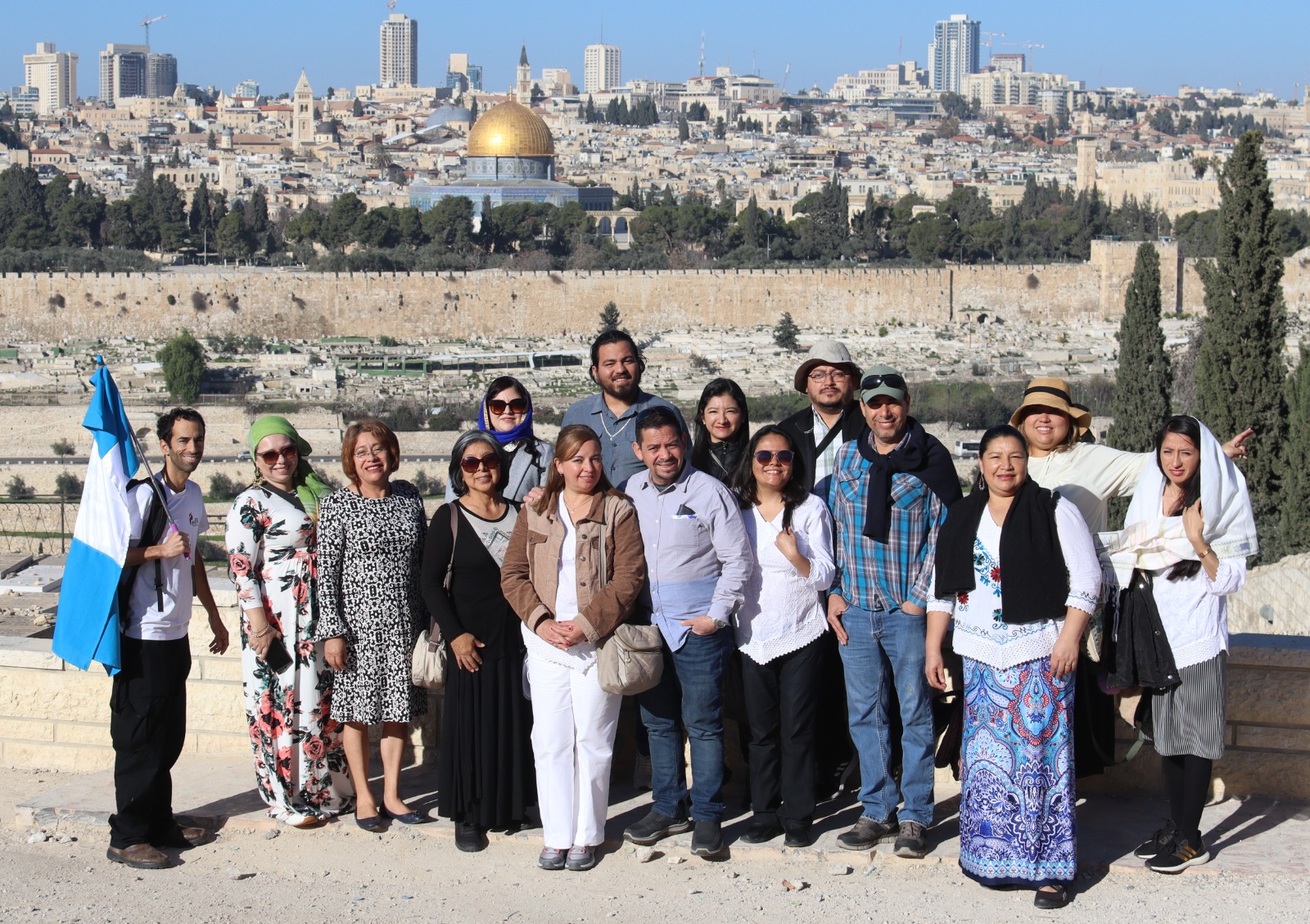
Private Tours in Israel offer the freedom to experience the country through the places, stories and encounters that matter most to you. With Yeadim Tours, every journey begins with a personal conversation about your interests, travel style, preferred pace, group composition and budget. This makes it possible to create an itinerary that feels personal from the first day to the final stop.
Whether you are drawn to ancient history, vibrant cities, biblical sites, local cuisine, desert landscapes or meaningful encounters with people, the route is planned around the experience you want to have. Yeadim Tours also creates Israel travel itineraries, Christian pilgrimage tours and combined tours of Israel, Jordan and Egypt for English and Spanish speaking visitors.
From the planning stage through the journey itself, you receive attentive guidance and personal support, allowing you to explore with confidence and peace of mind. Contact Yeadim Tours today and start creating a personalized journey through Israel that reflects who you are and what you want to discover.
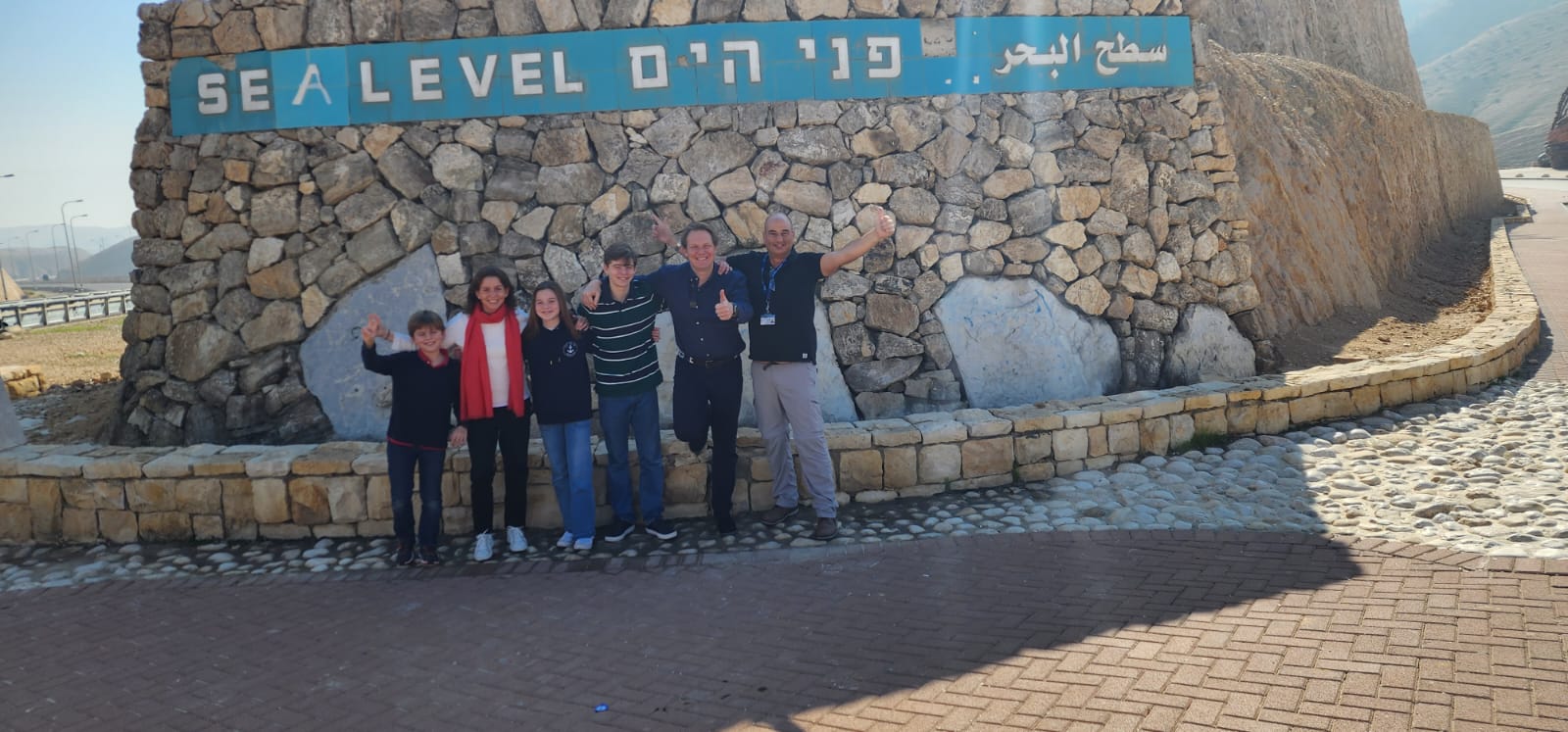
How Do Private Tours in Israel Work?
A private tour begins with people, not with a fixed route. Before choosing hotels, attractions or daily activities, it is important to understand who is traveling and what they hope to experience. A couple visiting Israel for the first time may want a very different journey from a family returning to explore its heritage, a group of friends interested in food and culture or a Christian group wishing to visit biblical locations.
Private Tours in Israel are built around the travelers rather than asking the travelers to adjust to a standard program. The number of participants, their ages, mobility, interests, preferred pace and available time all shape the itinerary. Even practical preferences, such as when the day should begin or how much free time should be included, can influence the experience.
The planning process usually starts with a personal conversation. This is an opportunity to discuss the places travelers already want to see and to introduce options they may not have considered. Some visitors arrive with a detailed wish list, while others only know that they want to experience Israel in an authentic and comfortable way. Both starting points can lead to an excellent journey when the right questions are asked.
At Yeadim Tours, personal acquaintance is part of the planning method. The purpose is to understand what creates excitement for each group. One traveler may dream of walking through the Old City of Jerusalem, while another is more interested in meeting local people, tasting regional food or watching the sunrise over the desert. A personalized route can connect these interests without making the itinerary feel disconnected.
The size of a private group also creates flexibility. Instead of waiting for a large coach or following a rigid schedule, travelers can often spend more time at a place that fascinates them and move on when another stop feels less relevant. This does not mean that every decision is made spontaneously. The structure is carefully prepared, but it leaves room for the human rhythm of the journey.
Private Tours in Israel can also respond more naturally to unexpected situations. Weather, traffic, opening hours or the energy level of the group may require adjustments. When the guide and organizer know the travelers and understand the purpose of the itinerary, changes can be made without losing the character of the trip.
Transportation is planned according to the group size and route. A couple may need a different vehicle from a family or a small community group. The vehicle should provide comfort, enough space for luggage and access to the areas included in the itinerary. Travel time must also be considered, especially on days that connect distant regions.
Accommodation is another important part of the experience. Some travelers prefer central city hotels that make it easy to explore in the evening. Others are drawn to quiet rural accommodation, desert hospitality or properties with a special view. The best choice depends on the route, the desired comfort level and how the travelers want to spend their time outside the guided activities.
Meals can be planned with the same level of attention. Israel offers a rich culinary landscape influenced by many communities and traditions. A private journey can include local markets, family restaurants, wineries, bakeries and meals that tell a story about the region. Dietary requirements, kosher preferences, allergies and personal tastes should be discussed before the trip.
Families often have needs that are difficult to address within a standard group program. Children may require shorter visits, interactive experiences and more time to rest, while adults still want meaningful cultural content. Carefully planned family tours can balance these needs and create moments that every generation can enjoy together.
The role of Yeadim Tours continues after the itinerary is approved. The company coordinates the different parts of the journey, works with local professionals and remains available throughout the trip. This support allows travelers to focus on the places, people and experiences around them instead of managing every reservation and detail themselves.
How Is a Personalized Israel Itinerary Planned?
A successful itinerary is not simply a collection of famous places. It needs a clear rhythm and a meaningful connection between one day and the next. Israel may be geographically small, but it contains a remarkable variety of landscapes, cultures, historical periods and religious traditions. Trying to include everything can create a tiring journey that leaves little time to understand what has been seen.
The first step is to define the central purpose of the visit. For some travelers, the journey is connected to family history, faith or cultural identity. For others, it is a vacation focused on food, nature, archaeology, photography or local life. A group may also have several goals that need to be combined within one route.
Private Tours in Israel make it possible to decide what deserves more time. A traveler with a deep interest in Christianity may want an extended visit to Jerusalem and the Galilee. Someone interested in modern Israel may prefer to explore Tel Aviv, local innovation, art, communities and contemporary society. Nature lovers may want to divide their time between the north, the desert and the coast.
The length of the visit determines how broadly the route can be planned. A short stay should focus on a limited number of regions, with carefully selected experiences in each one. A longer trip can include greater geographical variety, but it still needs days that are not overloaded. More places do not automatically create a better journey.
The pace should reflect the travelers themselves. Some people enjoy active days that begin early and include several visits. Others want time to sit at a cafe, return to the hotel before dinner or explore independently. A good itinerary does not judge either preference. It creates a schedule that feels natural for the people following it.
The table below shows how personal preferences can shape the planning process:
| Travel preference | Possible experiences | Planning consideration |
| History and archaeology | Ancient cities, museums, excavations and heritage sites | Allow enough time for explanation and context |
| Faith and biblical history | Jerusalem, Galilee, sacred locations and community encounters | Coordinate visiting hours and religious observances |
| Nature and scenery | Desert landscapes, northern reserves, coastal views and walking routes | Match each activity to the season and physical ability |
| Food and local culture | Markets, regional restaurants, culinary workshops and local hosts | Check dietary needs and reservation requirements |
| Family heritage | Ancestral locations, archives, communities and meaningful ceremonies | Research personal details before the journey |
| Relaxation | Beaches, scenic accommodation, spas and free evenings | Avoid frequent hotel changes and long daily drives |
| Photography | Sunrise locations, landscapes, street scenes and wildlife | Plan around natural light and travel time |
The order of the route matters as much as the places included. Moving repeatedly between north and south wastes time and energy. A well planned journey follows a geographical flow whenever possible and takes arrival and departure locations into account.
Jerusalem often requires more than one day because its historic, religious and cultural layers cannot be understood in a rushed visit. The Old City alone contains places of importance to Judaism, Christianity and Islam, along with markets, neighborhoods and stories from different periods. The modern city adds museums, institutions, communities, food and public life.
Tel Aviv offers a contrasting experience. Its beaches, architecture, markets, restaurants and creative culture introduce travelers to a lively side of contemporary Israel. Jaffa brings ancient history and a mixed urban character into the same area. Combining Jerusalem and Tel Aviv can reveal how different expressions of Israeli life exist within a relatively short distance.
The north provides another change in atmosphere. The Galilee, Haifa, Acre and surrounding landscapes can bring together history, faith, nature and encounters with different communities. Travelers may explore sacred locations, ancient streets, gardens, villages or local food traditions, depending on their interests.
The desert creates a very different emotional and visual experience. Wide landscapes, silence, geological formations and ancient routes can add depth to the journey. Professionally planned desert tours may include observation points, local hospitality, historical sites or activities that reflect the abilities and interests of the group.
Private Tours in Israel should also leave space for experiences that are not famous landmarks. A conversation with a local guide, a meal in a small community or an unexpected stop at a scenic point may become one of the strongest memories of the trip. These moments are easier to include when the route is not built solely around checking items off a list.
A personalized itinerary should be reviewed before the reservations are finalized. Travelers need to understand how long each day will be, how much walking is involved, when hotels change and which meals are included. Clear expectations help prevent disappointment and allow final adjustments to be made early.
Yeadim Tours combines the travelers’ wishes with practical knowledge of distances, timing and local conditions. This creates an itinerary that is exciting on paper and realistic on the ground. The goal is not to fill every available hour, but to make each day feel worthwhile.
How Do You Choose the Right Tour Guide in Israel?
A guide can change the entire way a traveler experiences a place. Historical facts are important, but a meaningful tour requires more than dates and names. The guide needs to understand the people in front of them, communicate clearly and connect the story of each location to the interests of the group.
Professional qualifications are an essential starting point. Travelers should work with a licensed guide who understands the sites, local regulations and practical realities of traveling in Israel. Knowledge provides the foundation, but personality and communication style determine how that knowledge is shared.
Language is equally important. Travelers should be able to ask questions, express preferences and understand complex historical or cultural ideas comfortably. Yeadim Tours can guide visitors in Hebrew, English and Spanish, allowing different groups to experience the country in a language that feels natural to them.
Private Tours in Israel benefit from a guide who listens. A prepared explanation should never be more important than the people receiving it. If a traveler becomes especially interested in a story, the guide should be able to explore it more deeply. If the group is tired or needs a quieter moment, the pace should change without creating stress.
The right guide also knows how to present complexity responsibly. Israel contains different narratives, faiths, communities and historical interpretations. Visitors may arrive with personal beliefs or strong questions. A thoughtful guide offers context, explains differences clearly and creates room for curiosity without reducing the country to a simple story.
Experience with different types of travelers is valuable. Guiding a family with young children requires a different approach from leading adults interested in archaeology or a group visiting sacred sites. The guide should know how to select the right level of detail and create engagement without overwhelming the group.
For visitors with a specific passion, themed tours can make the guide selection even more important. A journey focused on architecture, food, religion, history or photography benefits from someone who can connect the chosen subject across different regions and time periods. This creates a deeper experience than a series of unrelated visits.
A guide must also handle practical decisions throughout the day. Traffic, weather, crowds and changing opening hours can affect the plan. Local familiarity helps the guide choose the best time to arrive, find suitable alternatives and protect the overall rhythm of the itinerary.
Personal chemistry should not be underestimated. Travelers spend many hours with their guide, sometimes over several consecutive days. Patience, warmth, flexibility and genuine interest in people contribute greatly to the experience. A knowledgeable guide who does not connect with the group may leave less impact than someone who combines expertise with human understanding.
Safety and responsibility are also part of the guide’s role. This includes choosing appropriate walking routes, communicating meeting points clearly, monitoring the group and responding calmly when plans change. Travelers should feel that someone is paying attention to both the larger journey and the small practical details.
At Yeadim Tours, Danny is a licensed tour guide in Hebrew, English and Spanish. His experience as a traveler, manager and guide supports an approach that combines professional knowledge with a personal connection to people and places. His interest in cultures and local communities helps visitors move beyond the surface and encounter Israel through meaningful stories and conversations.
The right guide does not make the journey about themselves. Their role is to open doors, provide context and help travelers notice details they might otherwise miss. At the end of the trip, visitors should feel that they experienced Israel personally rather than simply listening to a prepared lecture.
Which Destinations Are Best for Private Tours in Israel?
There is no single route that can represent all of Israel. The best destinations depend on the travelers, the season and the story they want the journey to tell. Some places are central to many first visits, while others become meaningful because of a personal connection or a special interest.
Jerusalem is often a natural starting point. Its religious importance, ancient streets, archaeological sites and living communities create an experience that can be approached from many directions. A first visit may focus on the Old City and major sacred locations, while returning travelers can explore neighborhoods, museums, food, art or specific historical periods.
Private Tours in Israel allow Jerusalem to be experienced at the right pace. Some visitors want detailed historical explanations, while others need quiet time at a sacred site. Families may prefer shorter visits with interactive elements. A private plan can give each part of the city the attention it deserves without treating every traveler in the same way.
Tel Aviv and Jaffa are suitable for travelers interested in contemporary culture, architecture, food and urban life. A day may include historic streets, markets, galleries, neighborhoods and time near the sea. The experience can be energetic or relaxed, depending on the group.
The Galilee can combine biblical history, natural scenery and cultural encounters. Christian visitors may wish to spend significant time in locations connected to the life of Jesus, while other travelers may be drawn to villages, walking routes, local cuisine and the landscapes surrounding the Sea of Galilee.
Haifa and Acre offer another valuable combination. Haifa is known for its hillside views, gardens and diverse communities. Acre introduces visitors to layers of history through its walls, alleys, market and waterfront. Together, they can create a day or several days that combine architecture, culture, faith and food.
The Dead Sea region presents landscapes that are unlike any other part of the country. Travelers may combine time by the water with ancient history, desert views and nature. The schedule should be adapted to the season, especially during hotter months, when outdoor activities require thoughtful timing.
The Negev and other desert areas are ideal for travelers who want open spaces and a different rhythm. A carefully selected jeep tour can provide access to landscapes and observation points that are difficult to reach in a regular vehicle. The activity should be chosen according to the group’s comfort level and included as part of a balanced day.
Israel’s smaller towns, villages and communities can be just as meaningful as its famous cities. Travelers interested in local life may enjoy meeting artists, farmers, hosts or community members. These encounters need to be planned respectfully and should contribute to a genuine understanding of the place.
Private Tours in Israel can also follow a personal story. Visitors may want to see where relatives lived, explore a community connected to their heritage or include a family ceremony in the route. These requests often require research and coordination, but they can become the emotional center of the journey.
Returning visitors may prefer to move beyond the classic route. They can explore lesser visited archaeological sites, nature reserves, culinary regions, contemporary art or places connected to a particular period of history. A second or third visit is an opportunity to slow down and experience Israel with greater depth.
The season affects destination choice. Outdoor sites and desert activities require careful timing in warm weather, while winter conditions can influence walking routes and nature visits. Religious holidays and local events may add meaning to a trip, but they can also affect traffic, opening hours and accommodation availability.
The best route does not need to include every major region. A focused journey through Jerusalem and the surrounding area may be more rewarding than a rushed trip across the entire country. Similarly, a northern route can offer enough variety for several meaningful days without constant movement.
Yeadim Tours plans Private Tours in Israel for English and Spanish speaking visitors, including tourists, Jewish travelers from around the world and Christian visitors. The itinerary can focus on classic Israel, religious heritage, culture, nature or a unique personal theme.
Israel can also be included within a wider regional journey. For travelers who want to understand the connections between landscapes, cultures and ancient routes, it is possible to coordinate travel that continues to Jordan or Egypt. This requires careful planning of timing, border procedures and transportation, but it can add a broader perspective to the experience.
The final choice of destinations should emerge from the travelers’ interests rather than from pressure to see everything. When each stop has a reason to be included, the itinerary becomes more coherent and memorable. The journey feels like a personal story rather than a standard sequence of attractions.
Frequently Asked Questions About Personalized Travel in Israel
Planning a personal journey often brings up practical questions that are not answered by a standard itinerary. The following answers address several important details that can help travelers prepare for Private Tours in Israel with greater confidence.
How Many Days Should You Plan for Private Tours in Israel?
The ideal length depends on the regions you want to visit and the depth of experience you prefer. A shorter visit of several days can focus on Jerusalem, Tel Aviv and nearby locations, while a longer journey allows time for the Galilee, the Dead Sea, the desert and additional cultural encounters.
Travelers with one week should choose their priorities carefully instead of trying to cover the entire country. A journey of ten days or more provides greater flexibility and creates a more comfortable balance between guided visits, travel time and rest.
It is also important to consider arrival and departure hours. A flight that lands late in the day or leaves early in the morning can reduce the time available for touring. Yeadim Tours considers the complete travel schedule when planning the route, so the program remains realistic from the moment visitors arrive until they leave.
Can Private Tours in Israel Be Adapted for Travelers With Limited Mobility?
Yes, but accessibility should be discussed during the earliest planning stage. Israel contains ancient cities, archaeological sites, steep streets and natural areas where access may be challenging. Understanding each traveler’s abilities makes it possible to select suitable routes, vehicles, accommodation and visiting times.
In Jerusalem, for example, some historic areas include uneven stones, stairs and narrow passages. A personalized program can prioritize accessible entrances, shorten walking distances and include resting points. Similar adjustments can be made at museums, religious sites, nature reserves and other locations.
The goal is not simply to remove activities from the itinerary. It is to find meaningful alternatives that preserve the character of the journey. Clear information from travelers allows Yeadim Tours to plan responsibly and avoid uncomfortable surprises.
Can Private Tours in Israel Accommodate Dietary and Religious Needs?
Private planning makes it easier to address kosher requirements, vegetarian or vegan preferences, allergies and other dietary needs. These details should be shared before reservations are made, especially when the itinerary includes local hosts, workshops or restaurants outside major cities.
Religious observance may also affect the route. Travelers who observe Shabbat may need accommodation within walking distance of a synagogue, suitable meal arrangements and a schedule that does not require transportation. Christian visitors may wish to attend a service or spend additional time at a sacred location.
These preferences are not treated as minor additions. They shape the timing, accommodation and structure of the journey. When they are considered from the beginning, travelers can participate comfortably without feeling that their needs interrupt the program.
Can Private Tours in Israel Be Combined With Jordan or Egypt?
A personalized journey can include Israel together with Jordan, Egypt or both, depending on the available time, current travel conditions and entry requirements. Such a route may connect important historical, religious and cultural locations across the region.
The itinerary must allow enough time for border procedures, transportation and changes between local service providers. It is also important to check current passport, visa, security and crossing requirements through the appropriate official authorities before finalizing the journey.
A regional trip should not feel like several unrelated tours placed next to each other. The route can be designed around a common theme, such as biblical history, ancient civilizations, desert landscapes or cultural encounters. This creates continuity and gives each destination a clear role in the overall experience.
Create Private Tours in Israel With Yeadim Tours
Private Tours in Israel can reveal the country through more than its famous landmarks. A personalized journey creates space for questions, conversations, local encounters and places that reflect the travelers’ own interests. It also allows the pace, accommodation, activities and daily schedule to feel comfortable from beginning to end.
Yeadim Tours combines personal attention with extensive travel and management experience. Danny is a licensed guide in Hebrew, English and Spanish, with a deep interest in cultures, people and local traditions. Together, Danny and Iris bring professional planning, personal guidance and a genuine love of travel to every itinerary.
From the first conversation through the final day of the journey, each detail is connected to the experience the travelers want to create. The route may focus on faith, history, family heritage, cuisine, nature or contemporary life. It may include the classic highlights of Israel or introduce places that are less familiar to international visitors.
With Private Tours in Israel, there is no need to follow a program created for everyone. Yeadim Tours builds the journey around your group, your pace, your budget and the memories you hope to bring home.
Contact Yeadim Tours and begin planning a personal journey through Israel in English or Spanish, with attentive guidance and support throughout the experience.